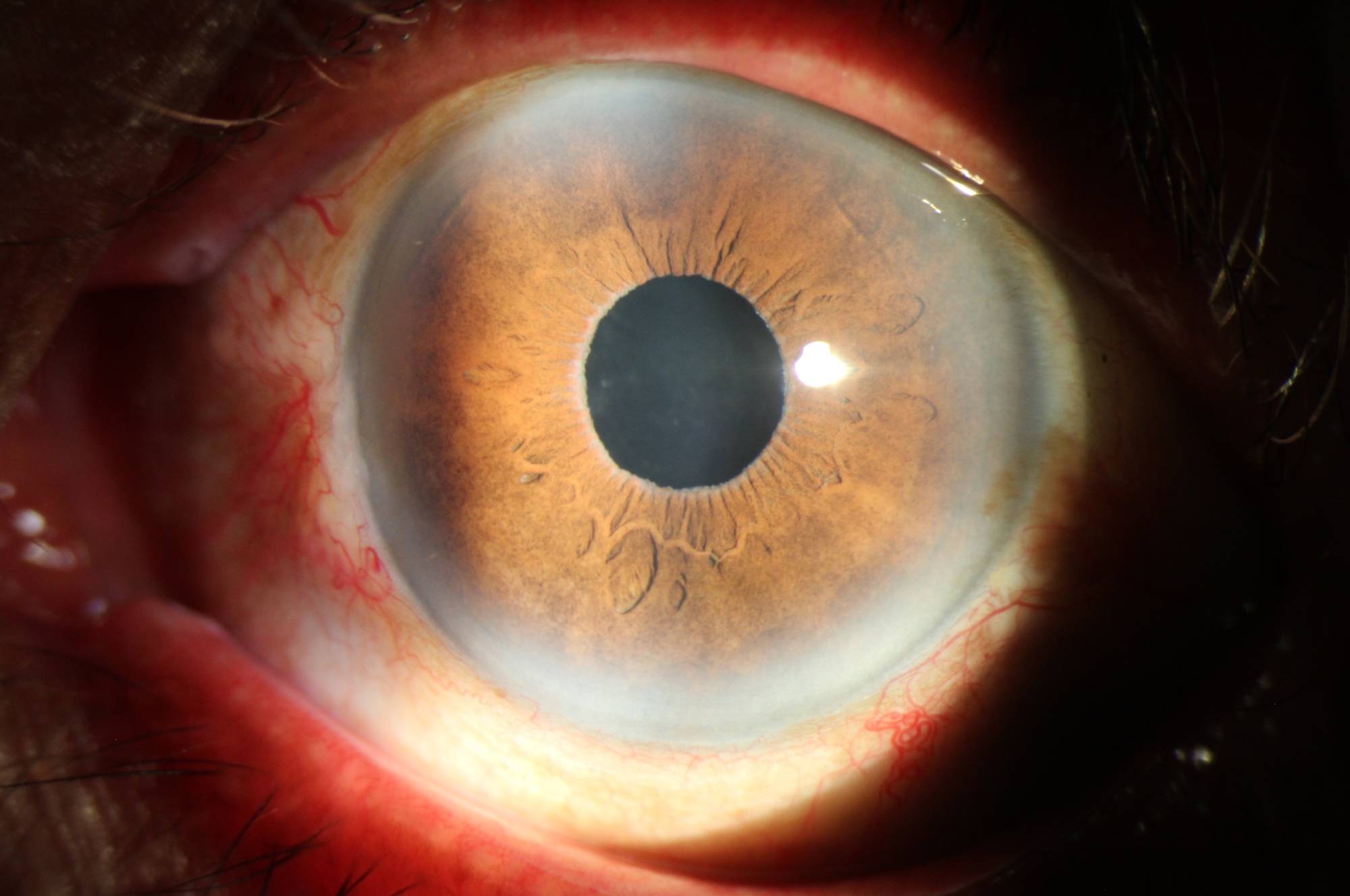
The best cataract lens replacement depends on your lifestyle, not a universal standard. Monofocal lenses deliver the sharpest clarity with the fewest side effects. Multifocal lenses offer glasses freedom but come with trade-offs. EDOF lenses strike a balance for most active adults. And for complex eyes, the Light Adjustable Lens offers precision that standard options can’t match.
Overview: The 4 Lens Types That Will Define Your Vision After Cataract Surgery
- No single intraocular lens works best for everyone. The right choice depends entirely on your lifestyle and visual needs.
- Monofocal IOLs provide the clearest distance vision, the most predictable outcomes, and the fewest side effects.
- Multifocal lenses can significantly reduce dependence on glasses, but carry a higher risk of halos and other visual disturbances.
- EDOF lenses extend intermediate vision with fewer side effects than traditional multifocal designs.
- Light Adjustable Lenses allow surgeons to fine-tune your prescription after surgery, making them ideal for complex cases.
Here’s What Nobody Tells You About Cataract Lens Options
Modern cataract surgery has evolved far beyond simply removing a clouded natural lens. Today’s intraocular lens technology lets surgeons tailor your post-surgery vision to your daily life, but more options also mean more confusion.
There are four main categories of lens implants available today:
- Monofocal IOLs. Sharp distance vision with reading glasses needed for near.
- Multifocal IOLs. Near and far vision without glasses, but with a risk of halos and glare.
- EDOF Lenses. Extended intermediate range with fewer side effects than standard multifocal lenses.
- Light Adjustable Lenses (LAL). Customized after surgery using UV light, best suited for complex visual needs.
There is no universally “best” lens. The right choice is the one that fits your eyes and your life. According to the National Institutes of Health, patient selection and realistic expectations are among the most important factors in achieving satisfying outcomes after cataract surgery.
5 Factors That Will Actually Decide Which Lens You Need
Before comparing lens technologies, it helps to understand what shapes the decision. These five factors will matter more than any product spec.
- Your Daily Visual Demands. Do you read, drive, or use a computer most often? Your primary activities determine which focal range matters most to you.
- Your Eye Health. Conditions like macular degeneration, significant dry eye, or corneal irregularities can limit which lenses are safe and effective for you.
- Your Tolerance for Side Effects. Premium intraocular lenses can cause visual disturbances like halos or reduced contrast sensitivity. Your willingness to accept these trade-offs for spectacle independence is a key factor.
- Your Budget. Monofocal lenses are fully insurance-covered. Premium options like EDOF or multifocal lenses typically require additional out-of-pocket investment.
- Your Expectations. Understanding what each lens type can and cannot achieve is the single biggest factor in long-term patient satisfaction.
Why most surgeons still recommend monofocal lenses: Are they right?
Monofocal IOLs remain the most commonly implanted cataract lens worldwide, and for good reason. They deliver crisp, reliable distance vision with the fewest complications of any lens type. Most patients can see road signs, television screens, and faces clearly without glasses.
Key advantages at a glance:
- Sharpest contrast sensitivity is ideal for night driving
- Minimal risk of halos or glare
- Fully covered by standard insurance
- Consistent, predictable results
- Well-suited for patients with existing retinal conditions
The main trade-off is near vision. You will likely need reading glasses for close tasks like phone screens, menus, or books. Many patients find this a reasonable compromise for exceptional optical clarity.
Enhanced options like the TECNIS Eyhance and RayOne EMV (sometimes called Monofocal-Plus Lenses) add slight intermediate range while preserving the low-risk profile of standard monofocals. These are worth discussing if you want a modest improvement without the side effects of premium lenses.
Toric Monofocals: The Smart Fix for Astigmatism
If you have astigmatism, a toric IOL can correct it during the same procedure. Toric lenses build astigmatism correction directly into the lens design so that you can achieve clear distance vision without separate treatment.
Toric lenses are particularly valuable for patients who already wear glasses for refractive errors and want distance independence after cataract surgery.
Multifocal lenses promise glasses freedom, but what’s the catch?
Multifocal lenses use diffractive optics to provide functional vision at multiple distances simultaneously (near, intermediate, and far). For the right patient, surgery can significantly reduce or eliminate dependence on glasses.
What multifocal lenses do well:
- High rate of spectacle independence for most daily activities
- Functional near vision for reading and phone use
- Trifocal designs like the Envy, Odyssey, and PanOptix Pro provide a full range of vision.
- Continuous improvements are reducing side effect profiles over time.
The honest trade-offs you need to know:
- Halos and glare around lights at night
- Slight reduced contrast perception compared to monofocal lenses
- Potential neuroadaptation period of several months as your brain adjusts to the new focal points
- Not suitable for patients with macular degeneration, severe dry eye, or heavy night driving demands
A network meta-analysis published in BMC Ophthalmology confirmed that while multifocal intraocular lenses significantly improve near vision and reduce dependence on glasses, they carry a meaningfully higher risk of photic phenomena compared with monofocal designs.
Trifocal Lenses: Are three focal points better than two?
Trifocal IOLs add a dedicated intermediate focal point that earlier bifocal multifocal designs lacked. This improvement directly addresses computer use and arm’s-length tasks, which are common frustrations with older multifocal technology.
Most patients report high satisfaction with trifocal lenses once fully adjusted, though the additional focal zone may require slightly longer adaptation for some individuals.
EDOF Lenses: The “Best of Both Worlds” Option Most People Don’t Know About
Extended Depth of Focus lenses work differently from multifocals. Instead of splitting your vision into separate near and far zones, they stretch a continuous range of clear vision, widening a single focal point rather than creating multiple separate ones.
Why EDOF is worth considering:
- Strong intermediate vision. Ideal for computers, dashboards, and everyday tasks
- Significantly fewer visual disturbances than traditional multifocal lenses
- Better contrast sensitivity than multifocal designs
- Suitable for a broader range of patients, including those with mild eye conditions
Popular options include the Alcon Clareon Vivity and the TECNIS Symfony, which reduce chromatic aberration to extend the range of clear vision. Clinical research published in PMC supports EDOF lenses as a strong middle-ground option, with lower rates of photic phenomena than standard multifocal IOLs.
The primary limitation is near vision. Most patients wearing EDOF lenses still need reading glasses for fine print or extended near tasks. For most everyday activities, however, EDOF delivers natural, comfortable vision with minimal side effects.
Light Adjustable Lenses: The High-Tech Option That Lets You “Try Before You Finalize”
Light Adjustable Lenses are unlike any other intraocular lens. After surgery, your surgeon uses UV light treatments to fine-tune lens power after your eye has healed. You can experience different prescriptions before committing to a final result.
Who benefits most from LAL:
- Patients who previously had LASIK, PRK, or other refractive surgery
- Those with corneal irregularities
- Anyone who wants the greatest possible precision in their final visual outcome
- Patients who are willing to attend several post-surgery adjustment visits and wear UV-protective eyewear between sessions
FDA approval data show that LAL patients are twice as likely to achieve 20/20 uncorrected distance visual acuity compared to patients receiving standard IOLs. Once the optimal prescription is achieved, a final “lock-in” treatment prevents further changes.
The LAL is a premium option with additional cost and office visits. For complex eyes where standard optical biometry calculations are less reliable, it can be the difference between acceptable vision and excellent vision.
How to Actually Decide: The Simple Framework Eye Surgeons Use
Choosing your intraocular lens doesn’t need to be overwhelming. Most experienced surgeons use a straightforward process to narrow down the best option, and you can apply the same logic before your consultation.
- List your top three daily visual priorities, such as reading, driving, computer work, or outdoor activities.
- Get a comprehensive eye exam, including corneal topography and a retinal check to identify any conditions that could affect your lens choice.
- Rate your side-effect tolerance. Would halos at night bother you enough to rule out multifocal or trifocal IOLs?
- Review your budget. Know what your insurance covers and what premium lens options cost out of pocket.
- Discuss your findings with your surgeon and ask for their honest recommendation based on your specific eye health and lifestyle.
Your Eyes Deserve More Than a Generic Answer
No single cataract lens replacement is the best for everyone, and that’s actually reassuring. It means there’s an option designed for your specific eyes and lifestyle. The key is going into your consultation knowing your priorities, understanding the trade-offs, and asking the right questions.
Whether you choose the reliability of monofocal lenses, the independence offered by multifocal lenses, the balance of EDOF, or the precision of a Light Adjustable Lens, the best cataract surgery outcomes come from realistic expectations and an honest conversation with your surgeon.
FAQs
How much do premium cataract lenses cost?
Premium IOLs typically cost $3,500–$5,500 per eye beyond standard insurance coverage. Basic monofocal lenses are usually fully covered. Advanced options like EDOF, multifocal, and Light Adjustable Lenses require out-of-pocket investment.
Can I have different lens types in each eye?
Yes, this is called “blended vision.” A common setup pairs a distance-focused lens in the dominant eye with a near-focused lens in the other. It requires careful pre-surgical planning to ensure both eyes work naturally together, so discuss this option thoroughly with your surgeon beforehand.
What if I'm not happy with my lens choice?
IOL exchange is possible but requires additional surgery and carries greater risks. Most patients fully adjust within three to six months, especially with premium lenses requiring neuroadaptation. If concerns arise during recovery, communicate them to your surgical team early for the best path forward.
Are premium lenses worth it if I'm over 80?
Age alone shouldn’t determine your lens choice. Many active older adults benefit just as much from premium intraocular lenses as younger patients do, provided their eye health allows it. The decision should center on lifestyle and visual demands, not birthdate. A thorough pre-operative evaluation will clarify the best fit.
How long will my cataract lens last?
Intraocular lenses are designed to last a lifetime. Unlike the natural crystalline lens, synthetic IOLs don’t develop cataracts or degrade over time. In some cases, a minor outpatient YAG laser capsulotomy may be needed years later to clear cloudiness behind the lens, but the implant itself remains intact.
Citations/sources:
- https://pmc.ncbi.nlm.nih.gov/articles/PMC11338023/
- https://www.fda.gov/news-events/press-announcements/fda-approves-first-implanted-lens-can-be-adjusted-after-cataract-surgery-improve-vision-without
- https://pmc.ncbi.nlm.nih.gov/articles/PMC7299221/
- https://link.springer.com/article/10.1186/s12886-024-03446-1