
Hunting for readers is an annoyance you don’t have space for in your life. If you’re over 40 and those cheater glasses aren’t part of your aesthetic, you’re about to do a happy dance with us at One EyeCare LASIK. Dr. Jennifer Wu specializes in RLE (refractive lens exchange), a quick and simple eye procedure that gets you LASIK-like results, prevents cataracts, and is faster than getting your lashes done. You’ll actually spend more time searching for your readers today than this procedure takes to eliminate them permanently.
RLE (Refractive Lens Exchange)
Understanding RLE
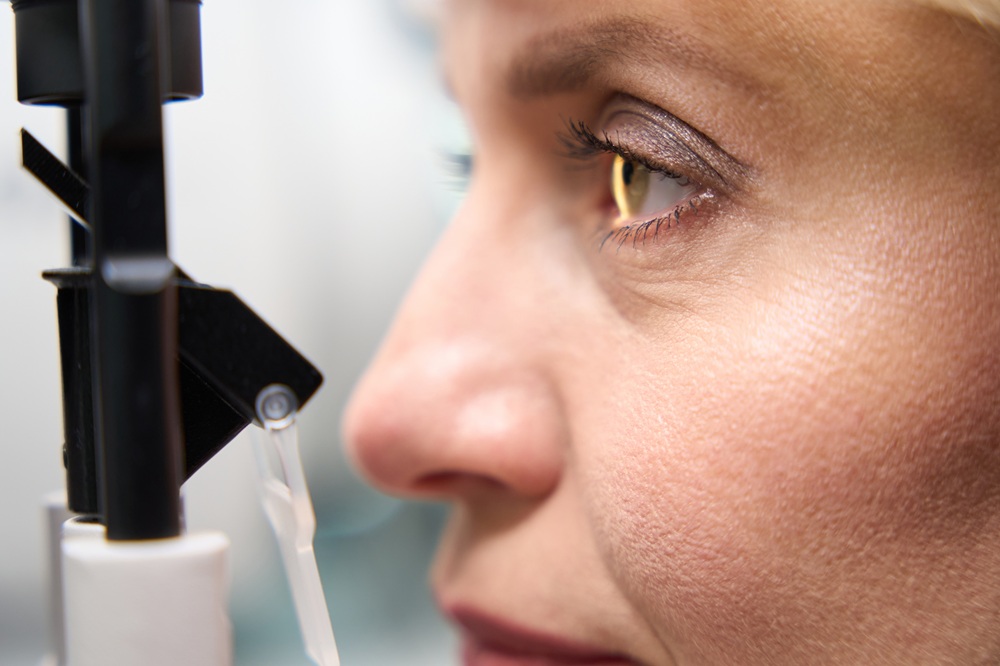
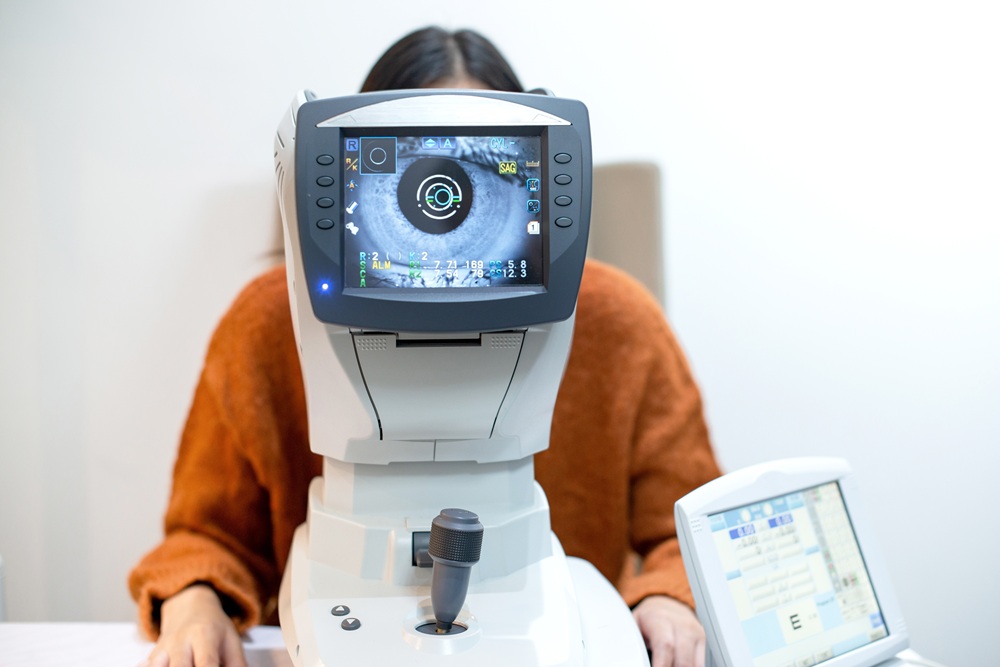
RLE replaces your eye’s natural lens with an advanced intraocular lens (IOL) that restores youthful vision. Think of it as an upgrade for your eyes. Your natural lens has become less flexible over time, making it harder to focus on close-up objects like text messages, book pages, or restaurant menus. This age-related condition is called presbyopia, and it’s why you’re constantly searching for those annoying reader glasses.
The procedure involves removing your natural lens and replacing it with a synthetic one that can correct multiple vision issues at once. Unlike contacts or glasses that sit on your eye, this lens works inside your eye to give you clear vision at various distances. The best part? It’s permanent, so you’ll never develop cataracts later in life. This is essentially the same process used for cataract surgery, but you’re getting it done now while you’re active and want to enjoy life without visual limitations.
Benefits of Refractive Lens Exchange
RLE gives you lasting freedom from reading glasses and can correct nearsightedness, farsightedness, and astigmatism in a single procedure, so patients who have worn bifocals or progressive lenses may be able to leave multiple prescriptions behind. The procedure takes about 20 minutes per eye, and most patients return to their routine within 2 to 3 days. Because the synthetic lens does not cloud or age, RLE eliminates your lifetime risk of cataracts, making it both a vision correction procedure and a long-term investment in your eye health. If financial, health, or safety concerns are part of your consideration, the sections below address each one directly.
Throw Away Your Readers Permanently
Presbyopia begins when the eye’s natural lens stiffens and loses its ability to flex for close focus, a process that starts around age 40 and worsens gradually over time. RLE replaces that stiffening lens with a synthetic IOL selected to restore near, mid-range, or full-range focus depending on your vision needs. Reading a menu, checking your phone, or seeing small print becomes possible again without reaching for glasses. Dr. Wu evaluates each patient’s prescription, lifestyle, and goals before recommending an IOL, so the correction is matched to how you actually live.
Fricke TR, et al. “Global Prevalence of Presbyopia and Vision Impairment from Uncorrected Presbyopia.” Ophthalmology. 2018.
Prevent Cataracts Before They Develop
A cataract forms when proteins in the natural lens break down and clump together over time, a biological process that cannot happen in a synthetic IOL. Patients who have RLE are not just correcting their vision today; they are removing cataract surgery from their future medical calendar entirely. For patients over 50, this is a meaningful benefit on its own, independent of any vision correction it provides. The lens replaced during RLE is permanent, clear, and unaffected by the aging process that causes cataracts to develop.
National Eye Institute, National Institutes of Health, “Cataracts”
Quick Procedure with Fast Recovery
RLE uses the same core technique as cataract surgery, one of the most routinely performed procedures in medicine. Each eye takes about 20 minutes, numbing drops keep you comfortable throughout, and a mild sedative is available if preferred. Most patients return to their normal routine within two to three days. Dr. Wu provides detailed pre- and post-operative guidance and sees each patient personally at every stage of care.
“The surgery lasts less than half an hour.”
MedlinePlus Medical Encyclopedia, National Library of Medicine, “Cataract Removal”
Correct Multiple Vision Problems at Once
Premium IOLs used in RLE can address nearsightedness, farsightedness, astigmatism, and presbyopia in a single procedure. Patients who currently manage multiple prescriptions: bifocals, progressive lenses, or separate pairs for reading and distance — may be able to leave all of them behind after one outpatient visit. One EyeCare offers multifocal, accommodating, and toric IOL options, and Dr. Wu selects the right lens based on detailed measurements and a personal discussion of your goals, not a standard protocol.
“About 9 out of 10 people who get cataract surgery see better afterward.”
National Eye Institute, National Institutes of Health, “Cataract Surgery”
Long-Term Value and Freedom
The upfront cost of RLE replaces what would otherwise be years of recurring spending on reading glasses, progressive lenses, contact lenses, and a future cataract procedure. One EyeCare offers financing through CareCredit and Alphaeon and accepts FSA funds, so the investment can be managed over time. For patients who compare the cost of RLE against the cumulative cost of managed eyewear, the calculation often shifts meaningfully over a 10 to 20 year window.
“The study estimated a total financial burden of major visual disorders of $35.4 billion in 2004.”
Centers for Disease Control and Prevention, “Economic Studies,” Vision Health Initiative. Citing: Rein DB, et al. Arch Ophthalmol. 2006.

Risks of Delaying RLE Treatment
Without treatment, the natural lens continues to stiffen, cloud, and age, eventually requiring intervention for cataracts, leaving presbyopia unmanaged, or forcing patients to rely on multiple prescriptions indefinitely. If financial, health, or safety concerns are part of your consideration, the sections below address each one directly.

Why Choose Us
Dr. Jennifer Wu isn’t just any eye surgeon, she’s a cornea specialist with over 10 years of experience treating complex cases that other doctors avoid. As the first female surgeon in California to perform SMILE Pro and the first in the state to perform FDA-approved corneal crosslinking, she’s at the forefront of vision correction technology. She’s performed over 500 cornea transplants and specializes in helping patients who’ve been told “no” elsewhere. Dr. Wu has personally had vision correction herself and has performed it on most of her family and the other doctors in her practice, so her confidence in these procedures comes from first-hand experience.
What makes One EyeCare LASIK different is the boutique, personal approach you won’t find at corporate vision centers. There’s no waiting room because you won’t be waiting. You’ll meet your surgeon before procedure day, get hour-long consultations instead of rushed appointments, and receive direct text access to Dr. Wu for any questions. She offers all five types of vision correction, so you’re getting an honest recommendation for what’s best for your eyes—not just what one practice happens to offer.
Start Your Path to Glasses-Free Vision!
You’re too young to feel limited by reading glasses. RLE gives you clear vision at all distances, prevents future cataracts, and frees you from constantly searching for those annoying cheaters. Dr. Jennifer Wu, MD combines expertise as a cornea specialist with genuine personal care that makes you feel like family. Follow One EyeCare LASIK on Instagram, Facebook, and YouTube to see patient results and learn more about vision correction options.
Ready to toss those readers for good? Call 949.208.9090 to schedule your consultation at 3033 Bristol St., Suite 123, Costa Mesa, CA 92626. Office hours are Monday through Friday, 9:00 am to 5:00 pm, with Saturday appointments available. Let’s get you seeing clearly again!
FAQs
What is RLE?
RLE (refractive lens exchange) is a procedure that replaces your eye’s natural lens with an advanced intraocular lens to correct vision problems like presbyopia, nearsightedness, farsightedness, and astigmatism. It’s the same process used for cataract surgery, but done proactively to improve your vision now rather than waiting for cataracts to develop. The synthetic lens works inside your eye to provide clear vision at multiple distances without glasses or contacts.
Is Refractive Lens Exchange safe?
Yes, RLE is one of the safest and most common eye procedures performed worldwide, with millions of successful surgeries completed annually. Dr. Wu uses laser-assisted technology for precision and takes extensive pre-procedure measurements to minimize risks and ensure optimal results. The procedure has been refined over decades, and complications are rare when performed by an experienced cornea specialist like Dr. Wu.
How long does Refractive Lens Exchange last?
RLE provides permanent vision correction because the synthetic intraocular lens doesn’t age or deteriorate like your natural lens does. Once the IOL is implanted, it remains clear and functional for life without needing replacement or maintenance. Unlike LASIK, which can be affected by future age-related changes, RLE delivers lasting results that won’t fade over time.
Is Refractive Lens Exchange permanent?
Yes, RLE is a permanent solution for vision correction. The artificial lens implanted during the procedure won’t degrade, cloud, or need adjustment as you age. You’ll also never develop cataracts since your natural lens—which would eventually form cataracts—has been replaced with a synthetic one that doesn’t cloud over.
Is Refractive Lens Exchange worth it?
For people over 50 who are tired of reading glasses, bifocals, or contact lenses, RLE offers life-changing benefits that most patients say are absolutely worth it. The procedure takes less than 30 minutes, has a quick recovery, and eliminates your dependence on eyewear while preventing future cataracts. When you consider the convenience, freedom, and long-term value of never needing readers or cataract surgery, most patients wish they’d done it sooner.