Pterygium is a triangular, fleshy growth that extends from the white part of your eye onto the clear cornea. Often called “surfer’s eye,” this condition develops when blood vessels and fibrous tissue gradually invade the front surface of your eye, creating a visible wedge-shaped bump.
The condition is most common in the “pterygium belt”—regions between 30 degrees north and south of the equator where ultraviolet radiation exposure is highest. While pterygium often starts as a cosmetic concern, it can progress to cause significant vision problems if left untreated.
Understanding this ocular surface disorder is crucial because early intervention prevents serious complications. The growth typically appears on the nasal side of the eye and may cause eye irritation, redness, and eventually visual disturbances as it encroaches on your cornea.
Overview: Everything You Need to Know About Pterygium in 30 Seconds
- Pterygium is a UV-related growth extending from the conjunctiva onto the cornea, requiring proper diagnosis and management.
- Environmental factors like dust, wind, and sun exposure significantly increase your risk of developing surfer’s eye.
- Early symptoms include persistent eye irritation, redness, and foreign body sensation that don’t resolve with rest.
- Surgical removal with conjunctival autograft offers success rates exceeding 95% with minimal recurrence.
- Consistent UV protection through wraparound sunglasses and hats prevents pterygium development and recurrence after treatment.
The Shocking Truth About What Causes Pterygium (And It’s Not Just Sun Exposure)
Primary Causes That Will Surprise You
Ultraviolet radiation is the primary culprit in pterygium development. UV light damages conjunctival tissue, triggering an inflammatory response that leads to abnormal tissue growth and blood vessel formation on the white part of the eye.
However, pterygium formation involves more complex mechanisms than simple sun damage. The condition results from chronic ocular surface irritation combined with genetic predisposition and environmental assault on your eye’s protective barriers, creating a perfect storm for tissue overgrowth.
Geographic location plays a crucial role in prevalence. The pterygium belt encompasses regions with intense year-round sunlight exposure, including Australia, parts of Africa, and tropical areas where outdoor work and activities are common. Research indicates pterygium affects up to 12% of the global population, with significantly higher rates in equatorial regions.
Hidden Risk Factors Most People Don’t Know About
Several occupational and lifestyle factors dramatically increase pterygium risk beyond basic sun exposure:
- Outdoor workers face a 2-to 3-times higher risk due to prolonged UV radiation exposure throughout their careers
- Agricultural workers experience constant dust and chemical irritant exposure in dusty environments
- Construction professionals encounter both ultraviolet light and particulate matter that damage the ocular surface
- Water sports enthusiasts receive reflected UV rays from water surfaces, doubling their exposure
- Desert region residents deal with intense sun damage plus dry, dusty conditions that irritate eyes
Genetic factors also influence susceptibility. Individuals with lighter eye colors and fair skin are more vulnerable to UV-related eye damage and pterygia.
Human papillomavirus has emerged as a potential contributing factor, though research continues to explore this connection between viral presence and tissue overgrowth.
Warning Signs You Might Have Pterygium (And When to Panic)
Early Symptoms That Scream “Get Help Now”
Pterygium symptoms often develop gradually, making early detection challenging. Recognizing these warning signs ensures timely intervention:
- Persistent foreign body sensation—feeling like sand or grit in your eye that won’t go away
- Chronic eye redness that doesn’t resolve with rest or artificial tears treatment
- Vision problems, including blurriness or distortion, especially as the growth enlarges
- Visible triangular growth extending from the inner corner toward your cornea
- Excessive tearing, particularly in windy conditions or bright light
Additional symptoms include burning sensation, itching, and increased sensitivity to light. Some people notice cosmetic concerns as the growth becomes more prominent.
The growth typically appears pinkish or flesh-colored with visible blood vessels running through it. This vascular appearance distinguishes pterygium from other eye conditions.
Professional Diagnosis: What Your Eye Doctor Really Looks For
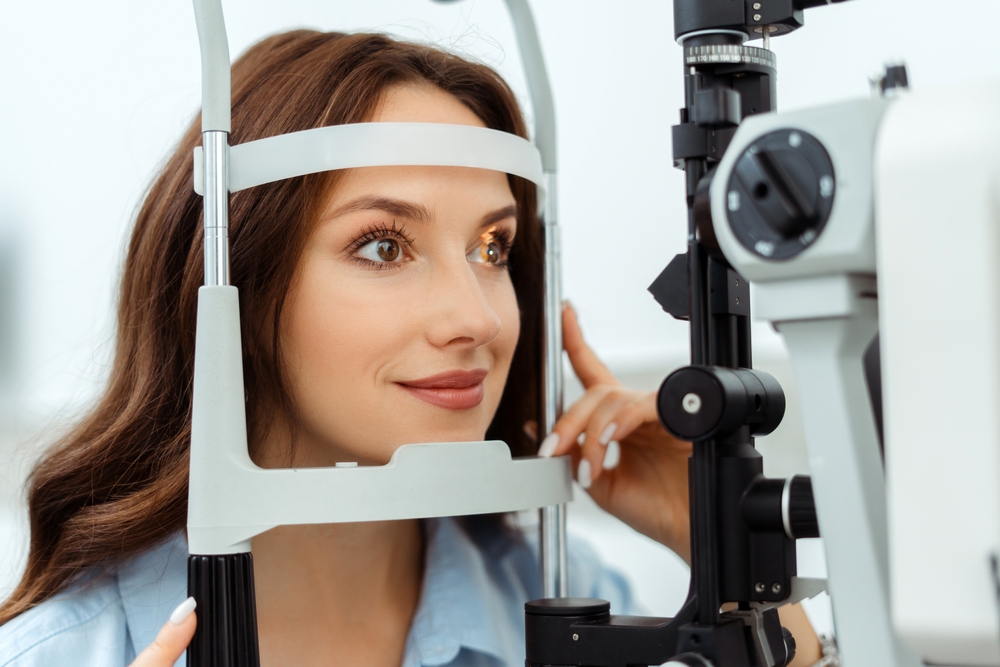
Eye care providers use several diagnostic tools to evaluate pterygium severity and plan appropriate treatment. A comprehensive eye exam includes a slit lamp examination to assess the extent of corneal involvement.
Corneal topography may be performed to measure any vision-affecting changes to the corneal surface. This technology maps your cornea’s curvature and identifies areas where the pterygium has altered the normal shape of your eye.
Doctors grade pterygium severity on a scale from 1-3, with Grade 1 representing minimal corneal involvement and Grade 3 indicating a significant threat to visual acuity. This grading system helps determine whether conservative management or surgical treatment is appropriate.
Stocker’s line, an iron deposit line often visible at the pterygium’s leading edge, helps determine growth activity and progression risk.
Treatment Options That Actually Work (No More Suffering Required)
Non-Surgical Treatments That Provide Real Relief
Conservative management effectively controls early-stage pterygium symptoms and may slow progression. Treatment focuses on reducing inflammation and maintaining healthy ocular surface conditions.
Artificial tears, particularly preservative-free formulations, provide essential lubrication and help flush irritants from the eye surface. Regular use of lubricant drops can significantly improve comfort and reduce redness associated with surfer’s eye.
Steroid eye drops offer powerful anti-inflammatory effects during acute flare-ups. However, these medications require careful monitoring due to potential side effects like steroid-induced glaucoma with prolonged use.
Advanced dry eye management addresses underlying ocular surface disorders that may contribute to pterygium development or worsen symptoms.
When Surgery Becomes Your Best Friend
Surgical treatment becomes necessary when pterygium affects vision, causes persistent symptoms despite conservative treatment, or creates significant cosmetic concerns. The decision to undergo surgical management depends on the severity of the pterygium and its impact on your daily life.
The gold standard surgical technique involves excision with conjunctival autograft. This outpatient procedure removes the abnormal tissue and covers the area with healthy tissue from your eye membrane, specifically from another part of the same eye.
Success rates exceed 95% with modern surgical techniques, and the recurrence rate drops below 5% when proper grafting methods are employed. The procedure typically takes 30-45 minutes under local anaesthesia, allowing same-day discharge with minimal surgical trauma.
Recovery involves several weeks of healing, during which patients use prescribed eye drops and avoid strenuous activities. Most people return to normal activities within a few days.
Advanced Surgical Options for Complex Cases
Specialized techniques address challenging cases or recurrent pterygium:
- Amniotic membrane grafting provides additional healing factors and limbal stem cells for complicated cases requiring enhanced tissue repair
- Mitomycin C application reduces recurrence risk in high-risk patients by facilitating postoperative steroid administration and exerting anti-scarring properties.
- Fibrin glue techniques eliminate the need for sutures using conjunctival autograft fibrin, improving comfort during healing and achieving better cosmetic results.
Prevention Secrets That Could Save Your Vision Forever
The Sunglasses Strategy That Actually Works
Quality sunglasses provide the most effective pterygium prevention. Choose eyewear that blocks 100% of both UVA and UVB radiation, as partial protection offers limited benefit against sun damage.
Wraparound sunglasses offer superior coverage by preventing UV rays from entering around the lens edges. This design particularly benefits people who spend significant time outdoors or near reflective surfaces that amplify sunlight exposure.
Research demonstrates that individuals who rarely wear sunglasses have a 3.6-4.6 times higher risk of pterygium than consistent users. This statistic underscores the importance of daily eye protection.
Peak UV exposure occurs between 10 AM and 4 PM, making eye protection crucial during these hours.
Lifestyle Changes That Make a Real Difference
Comprehensive prevention strategies extend beyond sunglasses:
- Wide-brimmed hats provide additional facial and eye protection from peripheral light focusing and direct overhead sun
- Environmental modifications, including avoiding dusty conditions and dusty environments when possible
- Occupational safety measures, such as protective eyewear, are used in high-risk work environments
- Indoor humidity maintenance to prevent dry eye conditions that compromise ocular surface health
- Regular eye exams for early detection and monitoring of pterygium development
Research indicates that consistent UV protection from childhood significantly reduces lifetime pterygium risk. Teaching children proper sun safety habits protects their long-term eye health.
Your Next Steps to Clear, Comfortable Vision
Professional evaluation remains essential for anyone experiencing persistent eye irritation or noticing visible changes to their eyes. Early diagnosis and appropriate treatment prevent pterygium progression and preserve vision.
Modern treatment options offer excellent outcomes with minimal discomfort and rapid recovery. Whether you need conservative management or surgical intervention, effective solutions exist for surfer’s eye.
Don’t let pterygium compromise your vision or quality of life. Schedule a comprehensive eye examination with us to discuss your symptoms and explore tailored pterygium removal options.
FAQs
Why do I have a bump on my eyeball?
A bump on your eyeball could be a pterygium, a pinguecula, or another benign growth. Pterygium appears as a triangular, fleshy growth extending from the white part of the eye onto the cornea, while pinguecula stays on the conjunctiva. Schedule an eye exam for proper diagnosis, as these conditions require different treatment approaches.
How to treat yellow spots in the eyes?
Yellow spots on the white part of your eye are often pinguecula or early pterygium. Treatment includes artificial tears for lubrication, steroid eye drops during inflammation, and UV protection to prevent worsening. If the spots affect your vision or cause significant irritation, your eye care provider may recommend surgical removal.
What is the corner of your eye called?
The inner corner of your eye is called the medial canthus, where pterygium most commonly develops. This area connects your upper and lower eyelids and drains tears through the lacrimal system. Pterygium typically starts at the nasal side (inner corner) and grows toward the center of your eye.
What is this bump on my eyeball?
A bump on your eyeball requires professional evaluation to determine if it’s a pterygium, pinguecula, a cyst, or another condition. Pterygium appears triangular with visible blood vessels, while other bumps may look different. Contact an eye care provider for a slit lamp examination to identify the growth and discuss appropriate treatment options.
Can a pterygium grow back after surgery?
Modern surgical techniques with conjunctival autograft have recurrence rates below 5%. Factors affecting recurrence include surgical technique quality, post-operative care compliance, and continued UV exposure without protection. Consistent use of wraparound sunglasses and wide-brimmed hats after surgical treatment significantly reduces regrowth risk and protects your investment in clearer vision.