Blepharitis is a chronic inflammatory condition affecting the eyelids that impacts millions of people worldwide. This common eye condition causes red, swollen, and itchy eyelids with crusty debris that accumulates at the base of eyelashes, making daily activities uncomfortable and frustrating.
The condition occurs when bacteria overgrow along the eyelid margins or when the meibomian oil glands become clogged and inflamed. Many patients also develop blepharitis due to microscopic Demodex mites that naturally live in eyelash follicles. Left unaddressed, these inflammatory disease processes can affect the entire ocular surface and compromise long-term eye health.
While blepharitis cannot be completely cured, proper treatment can effectively control symptoms and prevent complications. Understanding the different types, underlying causes, and available treatment options helps patients achieve long-term relief from this persistent condition.
Quick Overview: Blepharitis in 60 Seconds
- Blepharitis is a chronic eyelid inflammation causing red, crusty, irritated eyes that requires ongoing management
- Two main types exist: anterior blepharitis affecting the eyelash base and posterior blepharitis involving meibomian glands
- Daily warm compresses and proper lid hygiene form the foundation of effective treatment
- Professional treatments like Intense Pulsed Light therapy and prescription medications help persistent cases
- Early intervention prevents complications like corneal abrasion and improves long-term eye health outcomes
The Shocking Truth About What’s Living on Your Eyelids
Types of Blepharitis That Could Be Affecting You Right Now
Anterior blepharitis affects the front portion of the eyelid where eyelashes attach to the lid margin. It typically develops from one of two causes: bacterial overgrowth along the lash line, or seborrheic dermatitis, the same condition responsible for scalp dandruff, which produces flaky, dandruff-like scales around the eyelash follicles, according to the National Eye Institute.
Posterior blepharitis, also called Meibomian blepharitis, involves dysfunction of the meibomian glands located within the eyelids. These glands produce the lipid component of tears that prevents tear film evaporation, and when blocked, they create thick secretions that disrupt the tear film and reduce tear break-up time.
Mixed blepharitis combines features of both anterior and posterior types, affecting both the eyelash follicles and oil glands. Many patients experience this combination form, which requires treatment addressing multiple underlying causes at the same time.
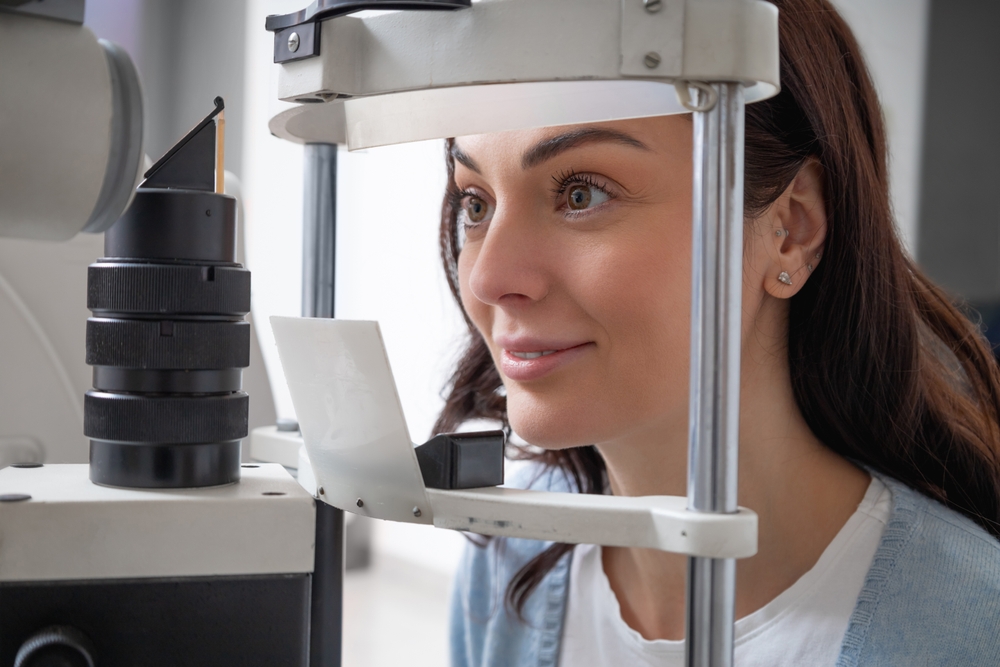
The visual differences between types help with proper diagnosis during a slit-lamp examination. Anterior blepharitis shows obvious crusting and scaling at the eyelash base, while posterior blepharitis may appear less dramatic but causes significant meibomian gland dysfunction affecting tear film quality and tear osmolarity.
In some cases, blepharitis can also be triggered by viral infections including herpes simplex virus or Molluscum Contagiosum Virus, both of which affect the ocular region and require specific treatment approaches beyond standard bacterial protocols.
Symptoms You Can’t Ignore
According to John Hopkins Medicine, morning crusty debris and dried tears represent the most recognizable blepharitis symptoms that patients notice immediately upon waking.
Red eyes and swollen eyelids that feel tender to touch indicate active eyelid inflammation requiring attention from an eye doctor.
Common blepharitis symptoms include:
- Burning sensation in the eyes, especially upon waking or in dry environments
- Excessive tearing as eyes attempt to compensate for poor tear film stability and tear film evaporation
- Gritty sensation making it feel like sand particles are stuck under the eyelids
- Vision fluctuations throughout the day as tear film instability affects clarity
- Itchy eyelids leading to rubbing, which worsens inflammation and bacterial contamination along the eyelid margins
- Light sensitivity developing in more severe cases of ocular discomfort
- Difficulty applying eye makeup that may worsen symptoms and clog meibomian glands
These symptoms typically worsen in the morning and may improve throughout the day as natural blinking helps clear debris and stimulate oil gland function.
Why Your Blepharitis Keeps Coming Back (Despite Everything You’ve Tried)
The Hidden Culprits Behind Chronic Blepharitis
Staphylococcal bacteria naturally colonize eyelid skin as part of normal ocular flora but overgrow in blepharitis patients, producing toxins and enzymes. These bacterial byproducts damage eyelid tissues and trigger chronic inflammatory disease processes that persist despite basic lid hygiene measures.
Demodex-associated blepharitis represents a major underlying cause that many patients don’t realize they have living in their eyelash follicles. According to a 2023 review published in Eye & Contact Lens, Demodex blepharitis affects approximately 25 million Americans, with prevalence increasing sharply with age, reaching more than 80% of those older than 60. Demodex folliculorum and Demodex brevis mites contribute to ocular discomfort, eyelid inflammation, and disrupted ocular surface health in a significant percentage of blepharitis cases.
Seborrheic dermatitis creates an inflammatory environment that promotes bacterial overgrowth and sebaceous gland dysfunction. This skin condition affects areas rich in oil production, including the eyelids, scalp, and face, leading to seborrheic blepharitis. Patients who experience scalp dandruff are often more prone to this form of the condition.
Acne rosacea frequently involves ocular symptoms that overlap with blepharitis, known as ocular rosacea. Patients with facial rosacea commonly develop eyelid inflammation, dry eye syndromes, and meibomian gland dysfunction that requires treatment beyond standard care. In advanced cases, corneal neovascularization and superficial keratopathy can develop, threatening long-term vision.
Atopic dermatitis is another skin condition closely linked to blepharitis, as the chronic inflammation associated with eczema frequently extends to the eyelid margins and surrounding ocular region, compounding existing dry eye symptoms.
Risk Factors Most Doctors Don’t Tell You About
Contact lenses create an environment that promotes bacterial growth and eyelid irritation through reduced blinking. Contact lens solutions, protein deposits, and improper cleaning contribute to blepharitis development and dry eye syndromes in lens wearers.
Additional risk factors include:
- Heavy eye makeup use, especially mascara and eyeliner, introducing bacteria and clogging meibomian glands along the lid margins
- Environmental pollutants and allergens triggering inflammatory disease processes in sensitive individuals
- Hormonal changes during menopause, pregnancy, or thyroid disorders affecting meibomian gland function and tear osmolarity
- Age-related factors including decreased immune function and natural changes in ocular flora composition
- Autoimmune diseases like rheumatoid arthritis increasing susceptibility to ocular surface inflammation
- Poor nutrition lacking omega-3 fatty acids from fatty fish and other sources may worsen meibomian gland dysfunction
- Certain medications, including antihistamines and antidepressants, reducing tear production and worsening dry eye
Understanding these triggers helps patients identify and modify behaviors that perpetuate their condition.
Game-Changing Treatments That Actually Work
Home Remedies That Make a Real Difference
According to Mayo Clinic, self care measures like warm compresses applied for 5 to 10 minutes twice daily represent the most effective home treatment for blepharitis. The heat softens hardened meibomian gland secretions, reduces dried tears along the lid margins, and improves oil flow naturally without medication.
Follow these steps for proper warm compress application:
- Use a clean washcloth or cotton wool soaked in comfortably warm water
- Apply gentle pressure while holding the warm compress against closed eyelids for several minutes
- Reheat cloth as needed to maintain consistent therapeutic temperature throughout treatment
- Follow with gentle eyelid massage using circular motions along the lid margins to encourage meibomian gland expression
Proper lid hygiene removes bacteria, debris, and inflammatory substances that accumulate on eyelid margins. Diluted baby shampoo or hypoallergenic soap provides effective yet gentle cleansing without harsh chemicals that irritate sensitive eyelid skin. Tea tree oil-based cleansers are also an option, particularly for patients dealing with Demodex infestation, as tea tree oil has demonstrated antimicrobial effects against Demodex mites.
Artificial tears help compensate for tear film instability caused by meibomian gland dysfunction. Preservative-free formulations work best for frequent use, especially those containing lipid supplements that replace natural oils and reduce tear film evaporation.
When to Seek Professional Help
Signs that home treatment isn’t providing adequate relief include persistent blepharitis symptoms after 4 to 6 weeks of consistent daily lid hygiene and warm compress care.
Prescription antibiotic ointment like erythromycin or bacitracin targets bacterial overgrowth in the ocular flora more effectively than over-the-counter options. These topical antibiotics require professional evaluation from an eye doctor to make sure you’re getting the right treatment and that it’s actually working.
Lotilaner ophthalmic solution, which has completed late-stage clinical trials, specifically targets Demodex mites that cause treatment-resistant cases of Demodex-associated blepharitis. This newer treatment option provides hope for patients who haven’t responded to traditional therapies. Topical ivermectin is another option your eye doctor may consider for managing Demodex folliculorum and Demodex brevis infestations that contribute to ongoing eyelid inflammation.
Steroid eye drops may be necessary for severe inflammatory cases affecting the tarsal plate and surrounding eyelid tissue, but require careful monitoring due to potential side effects. Professional supervision keeps things safe while watching for increased eye pressure.
Oral antibiotics like doxycycline provide anti-inflammatory effects beyond their antimicrobial properties, particularly benefiting patients with ocular rosacea-related blepharitis and corneal neovascularization. These medications work from within to reduce inflammatory disease processes throughout the body.
Advanced Treatments at One EyeCare LASIK
BlephEx represents an in-office procedure that deeply cleanses eyelid margins using a specialized micro-sponge device, similar to what researchers describe as microblepharoexfoliation. This treatment removes biofilm and bacterial debris from the ocular surface that home lid hygiene cannot adequately address, providing deeper cleaning for stubborn cases.
Intense Pulsed Light therapy targets the underlying inflammation and abnormal blood vessels associated with ocular rosacea and meibomian gland dysfunction. Multiple treatment sessions typically provide significant improvement in blepharitis symptoms, tear break-up time, and tear osmolarity, delivering longer-lasting relief than conventional approaches alone.
Many patients see improvement in ocular discomfort and ocular surface health with appropriate therapy, though timelines vary. Long-term management strategies help maintain results and prevent symptoms from coming back.
Your Action Plan for Long-Term Blepharitis Relief
Consistent daily lid hygiene forms the foundation of successful long-term blepharitis management and symptom control. Staying on top of warm compresses, proper eyelid margin cleaning, and regular eye doctor checkups makes a significant difference in keeping inflammatory disease processes in check.
Professional evaluation becomes necessary when home treatments fail to provide adequate relief within 6 to 8 weeks of consistent effort. Early professional intervention prevents complications like superficial keratopathy and corneal abrasion, and identifies underlying conditions such as atopic dermatitis, dry eye syndromes, or viral triggers like herpes simplex virus that require specific treatments.
If you’re in the Costa Mesa area, experience boutique, concierge-level eye care at One EyeCare LASIK, where board-certified cornea specialist Dr. Jennifer Wu creates customized treatment plans for even the most stubborn cases of blepharitis.
FAQs
Why is my upper eyelid swollen?
Upper eyelid swelling often results from blepharitis causing inflammation along the eyelid margins and tarsal plate, though other conditions like styes, chalazia, or allergic reactions can also cause puffiness. If you experience persistent swelling with crusting, redness, or ocular discomfort, schedule an evaluation with an eye doctor to determine whether blepharitis or another eye condition is causing your symptoms. Early diagnosis helps prevent complications and starts you on the path toward relief.
How to cure blepharitis fast?
While blepharitis cannot be “cured” quickly since it’s a chronic condition, you can experience significant improvement using warm compresses twice daily, gentle lid hygiene with baby shampoo or hypochlorous acid, and artificial tears. For faster relief, prescription topical antibiotics or antibiotic eyedrops can speed things up when combined with consistent home care. In cases involving Demodex infestation, lotilaner ophthalmic solution or topical ivermectin may be appropriate options to discuss with your eye doctor.
What causes puffy eyes?
Puffy eyes result from multiple causes including blepharitis-related eyelid inflammation, fluid retention, allergies, or dry eye syndromes affecting the tear film. When blepharitis causes puffy eyes, the inflammation disrupts meibomian gland function and triggers inflammatory disease processes that lead to swelling along the ocular surface. Addressing the underlying inflammation through warm compress therapy, proper nutrition with omega-3 fatty acids from fatty fish, and treating any Demodex infestation helps reduce persistent puffiness and restore normal eyelid appearance.
How to calm swollen eyes?
Calming swollen eyes from blepharitis requires addressing the underlying eyelid inflammation through gentle warm compresses, cold compresses for immediate relief, and proper lid hygiene to remove dried tears and other irritants from the eyelid margins. Avoid rubbing your eyes, remove eye makeup thoroughly each night, and use preservative-free artificial tears to soothe ocular discomfort. If swelling persists beyond a few days despite home care, seek evaluation from an eye doctor to rule out more serious conditions like corneal abrasion or to receive prescription steroid eye drops for severe inflammation.
Why do my eyelids stick together in the morning?
Morning eyelid sticking occurs when crusty debris, dried tears, and secretions from bacterial overgrowth accumulate overnight and dry along the eyelid margins and tarsal plate. This is one of the hallmark blepharitis symptoms and indicates active inflammatory disease processes on the ocular surface. Warm compresses followed by gentle lid hygiene each morning helps prevent this uncomfortable sticking and keeps the eyelid margins clear.