
If you’re over 40 and finding yourself holding menus at arm’s length or constantly hunting for reading glasses, you’re experiencing presbyopia—a natural part of aging that affects everyone. We at One EyeCare LASIK understands how frustrating it can be when your eyes start betraying your youthful spirit. As a cornea specialist with over 10 years of experience treating complex cases, Dr. Jennifer Wu, MD offers personalized treatment options that go beyond basic readers, including monovision contact lenses, refractive lens exchange (RLE), and customized prescription glasses tailored to your lifestyle.
Presbyopia Treatment Options


Understanding Presbyopia and Dysfunctional Lens Syndrome
Presbyopia happens when the natural lens inside your eye loses flexibility, making it harder to focus on close-up objects like your phone, books, or restaurant menus. This isn’t a disease—it’s a normal aging process that typically starts in your early to mid-40s and progressively worsens. You might notice yourself needing brighter lights to read, experiencing eye strain after computer work, or struggling to see small print that never bothered you before.
What many people don’t realize is that presbyopia is actually the early stage of dysfunctional lens syndrome, a continuum that eventually leads to cataracts. Think of your eye’s natural lens like a grape slowly turning into a raisin—it gradually hardens and yellows over time. While presbyopia affects your near vision first, the lens continues changing throughout your life.
Our Treatment Solutions for Presbyopia
Choosing the right treatment depends on your lifestyle, visual demands, and personal preferences. Dr. Wu takes time during your consultation to understand what matters most to you—whether that’s convenience, visual quality, or freedom from glasses altogether.
Monovision
Monovision corrects one eye for distance and the other for near vision, allowing your brain to automatically select the appropriate eye for whatever you’re looking at. This works well for patients already comfortable with contacts or those who want a non-permanent solution. It’s ideal if you want to test this approach before committing to something permanent like RLE.
RLE (Refractive Lens Exchange)
RLE replaces your aging lens with an advanced synthetic lens that corrects both distance and near vision simultaneously—giving you LASIK-like results while preventing cataracts from ever developing. This 20-minute procedure eliminates the need for reading glasses and bifocals permanently. Recovery takes 2-3 days, and most patients are amazed at how comfortable the process feels.
Prescription Glasses
Prescription glasses offer a practical, non-invasive option for managing presbyopia, whether you choose readers, bifocals, or progressive lenses. There’s no procedure, no recovery time, and you can update your prescription as needed. Dr. Wu helps determine the best lens design for your specific visual needs and daily activities.

Our Presbyopia Treatment Process
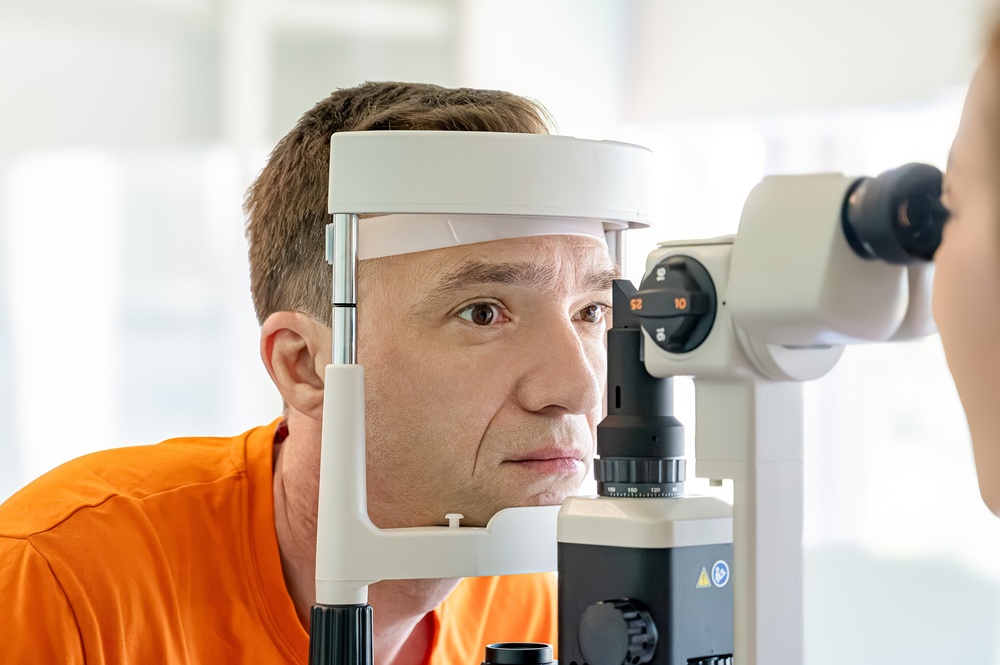
Why Choose Us for Your Presbyopia Treatment
As a cornea specialist with over 10 years of experience, Dr. Wu focuses specifically on the part of your eye affected by presbyopia and vision correction procedures. She’s successfully treated complex cases that other surgeons turn away, bringing precision and expertise to every patient evaluation. Her personal experience with vision correction, plus having performed procedures on her own family and colleagues, gives her genuine confidence in the solutions she recommends.
Your experience at One EyeCare LASIK feels completely different from typical vision centers. Dr. Wu meets with you personally at your first consultation—not just on procedure day—and schedules hour-long appointments so you never feel rushed. As Orange County’s only female and minority-owned vision correction practice offering this level of personalized care, Dr. Wu combines technical skill with the empathy that makes patients feel like family.
See Clearly at Every Distance Again!
You’re too young to feel limited by reading glasses, and you deserve vision that keeps up with your active lifestyle. Whether you’re drawn to the convenience of monovision, the permanent solution of RLE, or the simplicity of prescription glasses, Dr. Jennifer Wu at One EyeCare LASIK will guide you to the option that fits your life perfectly. Connect with us on Instagram, Facebook, or YouTube for practice updates! Schedule your personalized consultation today at our Costa Mesa office by calling 949.208.9090, or visit us at 3033 Bristol St., Suite 123, Costa Mesa, CA 92626.
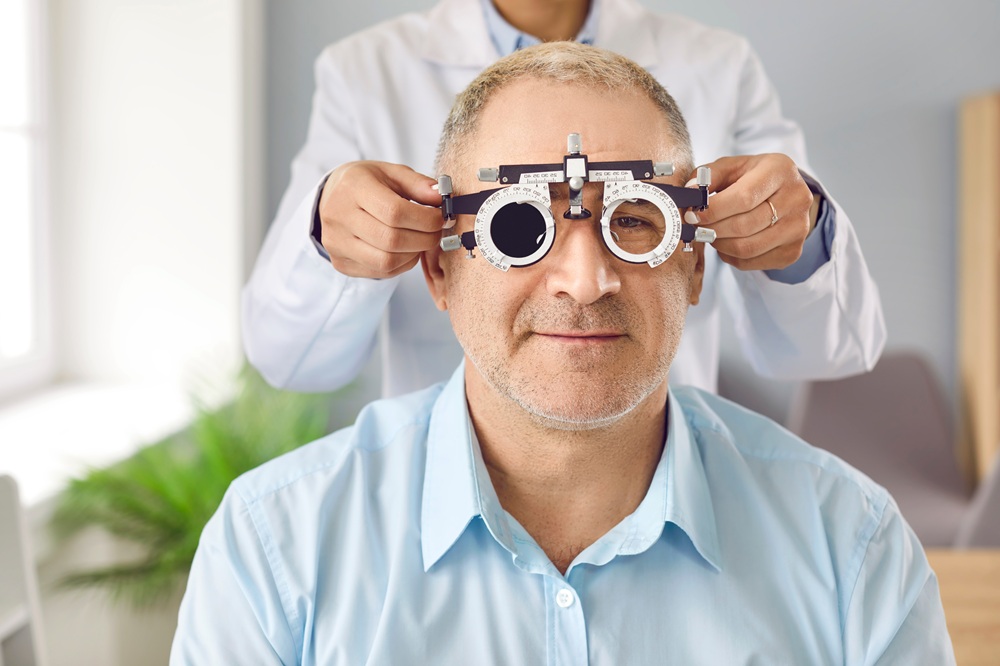
FAQs
What is presbyopia?
Presbyopia is the gradual loss of your eye’s ability to focus on nearby objects, a natural part of aging that typically begins in your early to mid-40s. It happens because the lens inside your eye becomes less flexible over time, making it harder to adjust focus from distance to near. Everyone experiences presbyopia eventually—it’s not a disease but a normal aging process that affects even people who’ve had perfect vision their entire lives.
What causes presbyopia?
The lens inside your eye is made of proteins arranged in a specific way to remain clear and flexible, but as you age, these proteins change and the lens gradually hardens and loses elasticity. This stiffening process prevents the lens from changing shape as easily when you try to focus on close-up objects like your phone or a book. Additionally, the muscles around your lens weaken with age, further reducing your eye’s ability to adjust focus for near vision tasks.
Can LASIK fix presbyopia?
Traditional LASIK doesn’t directly fix presbyopia because the issue is with your lens inside the eye, not the cornea that LASIK reshapes. However, LASIK can be used to create monovision, where one eye is corrected for distance and the other for near vision, which many patients adapt to successfully. For a more comprehensive solution to presbyopia, especially if you’re over 50, RLE (refractive lens exchange) addresses the root cause by replacing your aging lens with an advanced lens that corrects both near and distance vision.
What stage of dysfunctional lens syndrome is correlated with presbyopia?
Presbyopia represents the first stage of dysfunctional lens syndrome, occurring when your natural lens begins losing flexibility but remains clear. As dysfunctional lens syndrome progresses, the lens continues hardening and may develop yellowing or cloudiness, eventually leading to cataracts in later stages. Understanding presbyopia as part of this continuum helps patients make informed decisions about treatment timing—addressing it early with RLE not only restores near vision but also prevents cataracts from developing in the future.
Can you reverse presbyopia?
You cannot reverse the natural aging process that causes presbyopia, but you can effectively correct its effects with various treatment options. RLE provides a permanent solution by replacing your aging lens with a synthetic one that doesn’t harden over time, essentially giving you clear vision at all distances indefinitely. Other options like monovision contacts, LASIK, or prescription glasses compensate for presbyopia’s effects, allowing you to function normally without reversing the underlying lens changes.
How to prevent presbyopia?
Unfortunately, there’s no proven way to prevent presbyopia since it’s a natural consequence of aging that affects everyone regardless of eye health or lifestyle. While some eye exercises and nutritional supplements are marketed as presbyopia prevention, no scientific evidence supports their effectiveness in stopping or slowing lens aging. The best approach is early detection through regular eye exams and proactive treatment planning with a cornea specialist like Dr. Wu, who can help you choose the right correction method before presbyopia significantly impacts your quality of life.