
Keratoconus Treatment

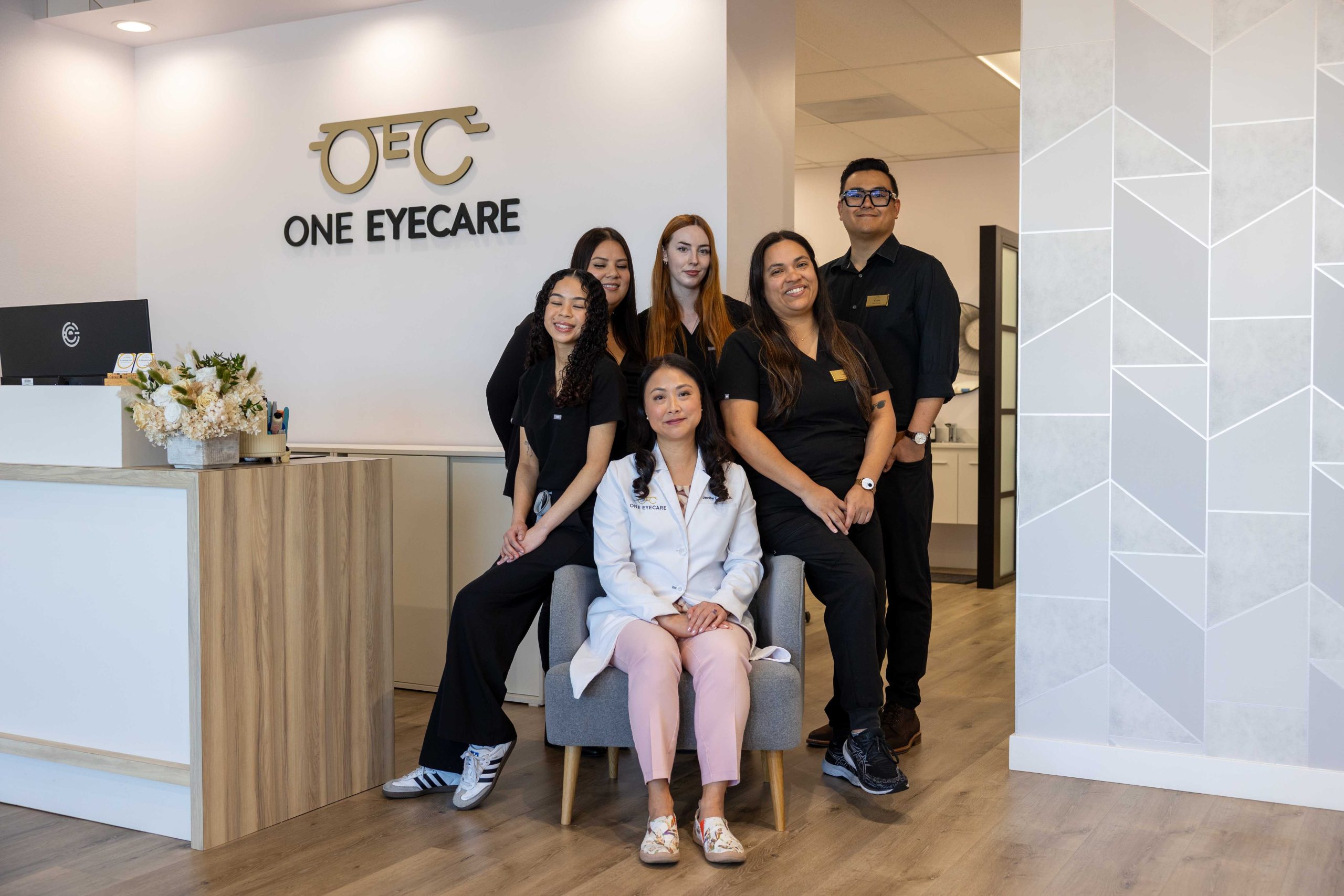
You’ve been told your cornea is thinning and bulging, your vision keeps getting worse, and those rigid contact lenses are the only thing helping you see—but they’re uncomfortable and you can’t wear them all day. Dr. Jennifer Wu at One EyeCare LASIK was the first surgeon in California to perform FDA-approved corneal cross-linking for keratoconus back in 2016, and she’s been helping patients halt disease progression ever since.

With over 500 cornea transplants performed and a specialty in complex cases other doctors turn away, our practice combines cross-linking with vision correction procedures like custom PRK, EVO ICL, and CTAK to give you stable corneas and functional vision without depending on hard contacts.
Schedule Consultation

Understanding Keratoconus Treatments

Keratoconus is a degenerative eye disorder where your cornea—the clear, dome-shaped front structure of your eye—progressively thins and bulges outward into a cone shape. This irregular corneal shape prevents light from focusing properly on your retina, causing nearsightedness, irregular astigmatism, distorted vision, increased light sensitivity, and frequent changes in your eyeglass prescription. The condition typically begins in your teenage years or early twenties and can progress over time, potentially leading to significant visual impairment if left untreated.

Early detection and intervention are crucial for preserving your vision and preventing the need for corneal transplant surgery. Modern keratoconus treatments focus on two primary goals: stopping disease progression through corneal strengthening procedures and improving your functional vision through customized correction methods.

Keratoconus Treatment Options We Offer

We offer a comprehensive range of keratoconus treatments designed to address both disease progression and vision correction needs. Each treatment option is carefully selected based on your corneal thickness, disease severity, and visual requirements.

Cornea Crosslinking

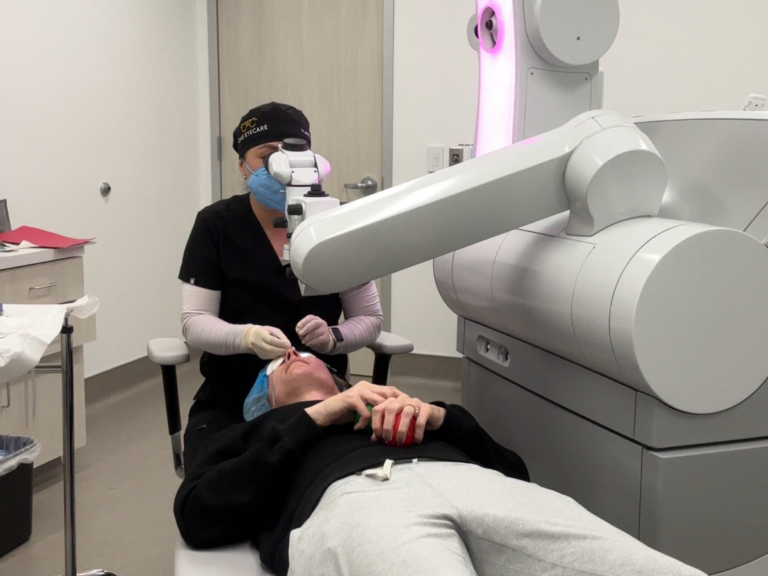
Corneal cross-linking (CXL) is the gold standard treatment for halting keratoconus progression by strengthening your corneal tissue. During this procedure, riboflavin (vitamin B2) drops are applied to your cornea, followed by controlled exposure to ultraviolet-A (UVA) light, creating new bonds between collagen fibers. This photochemical reaction increases your cornea’s structural integrity and biomechanical strength, stopping progression in over 95% of cases.

Custom (Topography-Guided) PRK

Custom PRK can be performed simultaneously with cross-linking to reshape your corneal surface while strengthening the tissue. This topography-guided laser treatment uses detailed mapping of your cornea’s irregular shape to create a customized ablation pattern that improves vision. By combining both procedures, you benefit from disease stabilization and improved functional vision in a single treatment session.

CTAK

Corneal Tissue Addition Keratoplasty (CTAK) involves inserting a weighted layer of donor corneal tissue into the middle layer of your cornea (stroma). This procedure flattens the keratoconus cone and reduces irregular astigmatism, making it easier for you to tolerate contact lenses or glasses. CTAK is particularly beneficial for patients with thin corneas and significant irregular astigmatism who need structural support.

Cornea Transplant

For advanced keratoconus cases with severe corneal scarring or thinning, a cornea transplant may be necessary to restore vision. Dr. Wu has performed over 500 cornea transplants and specializes in both full-thickness (penetrating keratoplasty) and partial-thickness (lamellar keratoplasty) procedures. Modern transplant techniques offer excellent visual outcomes and faster recovery times than traditional methods.

Modern ophthalmology practice logo symbol representing professional eye care services – Ophthalmologist Costa Mesa

Our Keratoconus Treatment Process

Why Choose Our Approach to Keratoconus Treatments

As a cornea specialist, helping you see better and more comfortably is Dr. Wu’s expertise—not just an occasional procedure she performs. For over 10 years, she has specialized in complex cornea cases, including patients who’ve been turned away elsewhere. She was the first surgeon in California to perform FDA-approved corneal cross-linking for keratoconus in 2016, demonstrating her commitment to offering the latest treatments.

Dr. Wu’s obsession with exceptional results means she takes extra time for pre-procedure measurements, carefully plans your treatment, and identifies underlying problems before proceeding. Her low enhancement rate reflects this meticulous approach, and her patients consistently rate her five stars on Google and Yelp. You deserve to feel safely guided through your treatment options by an expert who treats even the most complicated cases with confidence and care.

Stop Wondering if Your Vision Will Keep Getting Worse

Enough waiting around for your vision to deteriorate further. One EyeCare LASIK offers treatments that halt progression and get you out of those uncomfortable rigid contacts. We’re not your typical vision center—Dr. Jennifer Wu, MD responds to patient texts herself, and you’ll meet her at your first visit, not on procedure day when it’s too late to ask real questions. 

Want proof this works? Check out our Instagram and Facebook pages, as well as our YouTube channel where we break down exactly what happens during treatment and share actual patient experiences. Call or text 949.208.9090 to book your consultation at 3033 Bristol Street, Suite 123 in Costa Mesa, CA 92626. Your corneas won’t stabilize themselves.

FAQs

What is keratoconus?

Keratoconus is a progressive eye condition where your cornea—the clear window at the front of your eye—gradually thins and bulges outward into a cone shape instead of maintaining its normal dome shape. This irregular corneal shape causes blurry, distorted vision that cannot be fully corrected with regular glasses or soft contact lenses. The condition typically develops during your teenage years or early twenties and can worsen over time if left untreated.

Can keratoconus be cured?

While keratoconus cannot be completely cured, corneal cross-linking can effectively halt disease progression in over 95% of cases by strengthening your corneal tissue. This treatment stops the condition from worsening but doesn’t reverse existing corneal shape changes. Additional procedures like custom PRK, EVO ICL, or CTAK can then be used to correct the vision problems caused by the irregular cornea shape.

What causes keratoconus?

The exact cause of keratoconus remains unknown, though research suggests it results from a combination of genetic, environmental, and biochemical factors. Chronic eye rubbing, which weakens corneal tissue, is strongly associated with keratoconus development and progression. Other risk factors include certain allergic conditions, connective tissue disorders, and oxidative stress that affects corneal collagen structure.

Is keratoconus genetic?

Yes, keratoconus has a genetic component, with approximately 10-15% of patients having a family member with the condition. If you have keratoconus, your children have a higher risk of developing it, making regular eye examinations important for family members. However, having the genetic predisposition doesn’t guarantee you’ll develop keratoconus, as environmental factors also play a significant role.

Is keratoconus rare?

Keratoconus affects approximately 1 in 2,000 people in the general population, making it relatively uncommon but not extremely rare. The condition is more frequently diagnosed now than in the past due to improved detection methods and advanced corneal imaging technology. Early detection through routine eye exams allows for timely intervention with treatments like corneal cross-linking before significant vision loss occurs.

Modern ophthalmology practice logo symbol representing professional eye care services – Ophthalmologist Costa Mesa