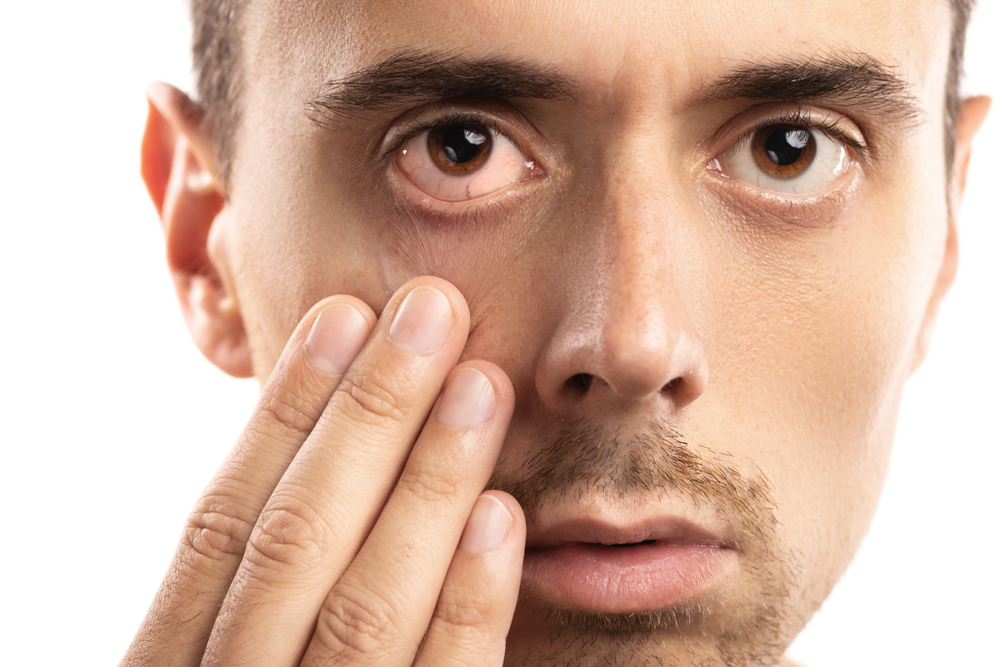
Why are my eyes so itchy? The cause could be a combination of factors, but the most common culprits are allergies, dry eye syndrome, and even Demodex mite infestations. Getting the right diagnosis is the only way to find lasting relief. Itchy eyes (known clinically as ocular pruritus) affect millions of adults and rank among the top reasons people visit an eye doctor. The frustrating part? Most people spend months treating the wrong cause.
Your Itchy Eyes Are Trying to Tell You Something. Here’s What to Know First
- Itchy eyes have multiple causes, and allergies are just one of them.
- Demodex mites can infest eyelash follicles and are a frequently missed cause of chronic eye irritation.
- Digital eye strain reduces blink rates, destabilizing the tear film and triggering itching.
- Dry eye syndrome often mimics seasonal allergies, leading to misdiagnosis and ineffective treatment.
- A professional eye exam is the most reliable way to identify the true cause when over-the-counter treatments fail.
Are your “Allergies” actually something else? The Shocking Truth About Eye Itching
Most people assume itchy eyes equal eye allergies, but that assumption sends many patients down the wrong treatment path for months.
Redness, tearing, and eye irritation overlap significantly across multiple conditions. Allergic conjunctivitis, dry eye disease, blepharitis, and even eyelid problems can all produce nearly identical symptoms. This overlap is precisely why so many treatments provide only temporary relief.
According to the American Academy of Ophthalmology, patients often have multiple contributing factors at the same time, making combination therapy necessary rather than a single-approach fix.
The 8 Real Causes of Itchy Eyes
- Allergic conjunctivitis triggered by pet dander, dust mites, pollen, or perennial allergies
- Dry eye syndrome from an unstable tear film or meibomian gland dysfunction
- Blepharitis caused by bacterial overgrowth or clogged oil glands along eyelid margins
- Contact lens complications such as Giant Papillary Conjunctivitis or lens solution sensitivity
- Digital eye strain from prolonged screen time and reduced blinking
- Environmental irritants like smoke, indoor mold, or air conditioning
- Contact Dermatitis from cosmetics, sunblock, soaps, or laundry detergents
- Demodex mites infesting eyelash follicles and causing chronic eyelid inflammation
Understanding these distinctions is the first step toward treatment that actually works.
Could invisible mites be living in your eyelashes right now?
Demodex mites are microscopic organisms that can overpopulate eyelash follicles, triggering persistent eyelid inflammation and eye irritation that standard treatments won’t touch.
How common is this, and how do you know?
According to the American Academy of Ophthalmology, Demodex mites are found in a large proportion of blepharitis patients. These mites thrive in the warm, moist environment of eyelid margins and feed on dead skin cells and oils.
Standard antihistamine eye drops and artificial tears cannot reach mites living deep within hair follicles. That’s why this eyelid mite infection is so often missed.
Signs you might have a Demodex infestation:
- Morning crusting around eyelashes
- Cylindrical flakes at the base of lash follicles
- Itching that worsens in the evening or at night
- Dry eye symptoms alongside persistent eyelid irritation
Professional treatment typically involves specialized eyelid hygiene protocols, prescription medications, or IPL light therapy, which targets mites while improving meibomian gland function at the same time.
The Real Reason Your Allergy Drops Aren’t Working
Antihistamine eye drops are designed for one specific cause: allergic conjunctivitis. They offer little to no benefit for dry eye disease, blepharitis, or environmental irritants, which are just as common.
Antihistamine Drops Only Treat One Cause
Dry eye syndrome and ocular allergy can feel nearly identical, but they require opposite treatments. Cold compresses reduce inflammation from allergic reactions, while warm compresses open clogged meibomian glands in dry eye patients. Using the wrong approach can make symptoms worse.
The Preservative Problem Nobody Talks About
Antihistamine/vasoconstrictor eye drops often contain preservatives that irritate the ocular surface with frequent use. Over time, this can create a cycle of worsening irritation and increasing reliance on drops.
Treating the root cause, not just suppressing symptoms, is what produces lasting results. When over-the-counter options keep failing, it’s a clear signal that a professional eye exam is overdue.
Is your screen time secretly destroying your eyes?
Digital eye strain affects a large portion of American adults, and many don’t realize their screens are the source of their itchy, irritated eyes.
How Screens Reduce Blinking
Normal blinking occurs 15 to 20 times per minute, spreading the tear film evenly across the eye’s surface. Focused screen use can cut that rate significantly, allowing tears to evaporate rapidly and leaving the ocular surface exposed and irritated.
Blue light-blocking glasses and blue-light filtering lenses offer modest benefits for some patients, but they don’t address the core problem: reduced blinking.
Simple Fixes to Try Today
- Follow the 20-20-20 rule: every 20 minutes, look at something 20 feet away for 20 seconds
- Position digital devices slightly below eye level to encourage more natural blinking
- Increase font size and adjust screen brightness to match your surroundings
- Use a humidifier if you work in an air-conditioned space
- Take regular screen breaks and blink consciously throughout the day
If symptoms persist despite these changes, underlying dry eye syndrome may be contributing to your eye fatigue.
Are your contact lenses making your eyes worse?
Contact lens use is a surprisingly common trigger for chronic eye itching, and many wearers don’t connect the two.
Giant Papillary Conjunctivitis: The Condition Lens Wearers Don’t Know About
Giant Papillary Conjunctivitis (GPC) develops when the immune system reacts to protein deposits that build up on contact lens surfaces. This reaction creates small bumps on the inner eyelid that irritate the eye with every blink.
Symptoms typically include itching after lens removal, stringy mucus discharge, and gradually worsening lens intolerance.
Warning signs your lenses may be the problem:
- Itching that develops after inserting or removing lenses
- Thick or stringy discharge
- Increasing lens awareness or discomfort during wear
- Persistent redness even when lenses are out
Daily disposable lenses reduce protein buildup compared to weekly or monthly options. If symptoms persist, stop wearing lenses and see an eye care professional before putting them back in.
Could your “Allergy Eyes” actually be dry eye in disguise?
Dry eye syndrome affects millions of Americans, yet many cases go undiagnosed because symptoms closely resemble eye allergies. Both conditions cause redness, tearing, and irritation that are difficult to tell apart without a proper eye exam.
Why Dry Eye and Allergies Feel Identical
The tear film consists of multiple protective layers. When meibomian glands become clogged or produce poor-quality oils, the tear film breaks down quickly, causing dry spots, inflammation, and the kind of watery, itchy eyes many patients chalk up to allergy season.
Warm vs. cold compresses: which one do you need?
Warm compresses help unclog meibomian glands and restore oil flow in dry eye patients. Cold compresses reduce histamine-driven inflammation in allergic conjunctivitis. Using the wrong type can aggravate rather than soothe.
Preservative-free artificial tears offer temporary relief, but they don’t address the underlying gland dysfunction. Advanced cases may benefit from IPL therapy, which uses controlled light pulses to restore meibomian gland function and get to the root cause rather than just managing symptoms.
These Eye Symptoms Mean You Need to See a Doctor Now
Not all itchy eyes are harmless. Certain symptoms call for prompt professional attention rather than another trip to the pharmacy.
Seek an eye exam right away if you notice:
- Severe eye pain, especially with light sensitivity
- Sudden blurry vision, halos around lights, or any vision loss
- Thick yellow or green discharge
- Symptoms affecting only one eye
- Itching or irritation lasting more than two weeks despite treatment
Contact lens wearers should stop wearing lenses immediately if any of these signs appear. Continuing to wear lenses during active inflammation can significantly worsen conditions like corneal ulcers or corneal abrasion.
People with autoimmune disease, diabetes, or weakened immune systems should seek care sooner rather than later, as they face a higher risk of complications from even seemingly minor eye symptoms.
When Nothing Works, Here’s the Treatment That Actually Gets Results
For patients who’ve tried multiple over-the-counter eye drops without lasting relief, a dry eye consultation offers a more thorough path forward.
Lumenis IPL therapy is one of the most effective tools available for patients with treatment-resistant dry eye and eyelid inflammation. It targets multiple root causes at once, including Demodex mites and blocked oil glands, rather than just keeping symptoms at bay temporarily.
Advanced diagnostics, including tear film breakup time analysis and meibomian gland imaging, can identify overlapping conditions that basic evaluations routinely miss. At One EyeCare LASIK, specialized evaluation goes beyond surface symptoms to find the actual source of chronic eye irritation, whether that’s Demodex blepharitis, ocular rosacea, or meibomian gland disease. If you’re in the Costa Mesa or Newport Beach area, schedule a consultation with One EyeCare LASIK today and get to the bottom of what’s causing your chronic eye irritation.
FAQs
Why are my eyes so itchy at night?
Nighttime eye itching is often linked to Demodex mites, which are most active during evening hours. Dry indoor air from heating systems also speeds up tear evaporation after dark. Good eyelid hygiene before bed and a bedroom humidifier can help, but if symptoms persist, an eye care professional can evaluate for a Demodex infestation specifically.
Can stress make my eyes itchy?
Stress doesn’t directly cause eye itching, but it can worsen existing conditions like dry eye syndrome and blepharitis. Stress also tends to increase eye-rubbing, which further irritates an already sensitive ocular surface.
How much does professional eye itching treatment cost?
Costs vary based on the underlying cause. A standard eye exam typically ranges from $100 to $250, while specialized dry eye consultations may run higher. Advanced treatments like IPL therapy often range from $400 to $600 per session, and multiple sessions are usually recommended. Many insurance plans cover medically necessary evaluations, so it’s worth checking your benefits before assuming it’s out of pocket.
Do home remedies actually work for itchy eyes?
Some do, if you’re using the right one. Warm compresses help dry eye and blepharitis, while cold compresses benefit allergic reactions. Preservative-free artificial tears provide temporary relief for mild symptoms. The key word is temporary. Persistent symptoms almost always require a professional evaluation to address the underlying cause.